


Charlie Ngo
•
Last updated: 7 October, 2026
Shopify Product Configurator: 2D vs 3D, Best Apps & Costs (2026)
Shoppers hesitate to buy a $1,200 sofa or a custom ring when they can’t see the exact version they’re...
9 Tips to Write Shopify Product Descriptions That Convert

Marketing Manager
Summarize this post with AI
Most Shopify stores treat the description box as something to fill and forget. That’s a missed sale. Your product description is the closest thing you have to a salesperson standing beside the shopper, answering questions and nudging them toward “buy.” Get it right and browsers become buyers. Get it wrong, and they leave for a competitor who explained the product better. This guide shows you how to write Shopify product descriptions that sell, step by step, with real examples, a template, and the traps to avoid. I’m Charlie – BOGOS’s Chief Marketing Manager, part of the team at BOGOS, and I spend my days helping Shopify merchants turn more visits into orders.
A Shopify product description is the copy on your product page that tells a shopper what an item is, what it does, and why it’s worth buying. Online, the shopper can’t touch the product, so this copy does the selling. Descriptions that convert share a pattern: they write to one specific buyer, lead with the biggest benefit, turn features into benefits, use vivid and sensory language, answer the objections that stall a sale, prove their claims, and stay easy to scan on a phone. This guide gives you a step-by-step method with a real brand example for each technique, a reusable template you can copy today, an SEO and AI workflow, and the mistakes that quietly cost you orders.
A product description has one job: close the gap between curiosity and confidence. In a physical store, a shopper picks the item up, feels the weight, checks the size. Online, your words and images are all they have. The description has to do the work of the shelf, the salesperson, and the packaging at once.
Shoppers act on this. In Salsify’s research, 88% said product content plays an “extremely” or “very important” role in their purchase decision. Weak copy does the opposite: the Nielsen Norman Group attributed 20% of cart abandonments to incomplete or unclear product information. Vague descriptions also drive returns, costing you the sale today and the customer tomorrow.
Most stores leave this on the table. The Baymard Institute found that fewer than half of e-commerce sites deliver a good product detail page experience. Better copy is one of the fastest, cheapest ways to lift your numbers, which is why it sits at the center of any serious Shopify conversion rate optimization effort.
Here is the method, one technique at a time. Each comes with a real brand example so you can see it work. Apply them in order and you’ll have a description that sells, not just describes.
Write to one person, not a crowd. The clearer your buyer, the sharper your copy. A description aimed at everyone persuades no one.
Build a quick buyer persona first. Answer four questions: Who pays for this? Who uses it? What problem does it solve for them? What worries them before they buy? The buyer and the user aren’t always the same. If you sell school supplies, your buyer is a busy parent, not the child who uses them. Write to the parent.
Then match their language. Use the words your customers use, not the words in your spec sheet. If your audience is warm and emotional, write with “love” and “adore.” If they’re practical, write plain and direct.
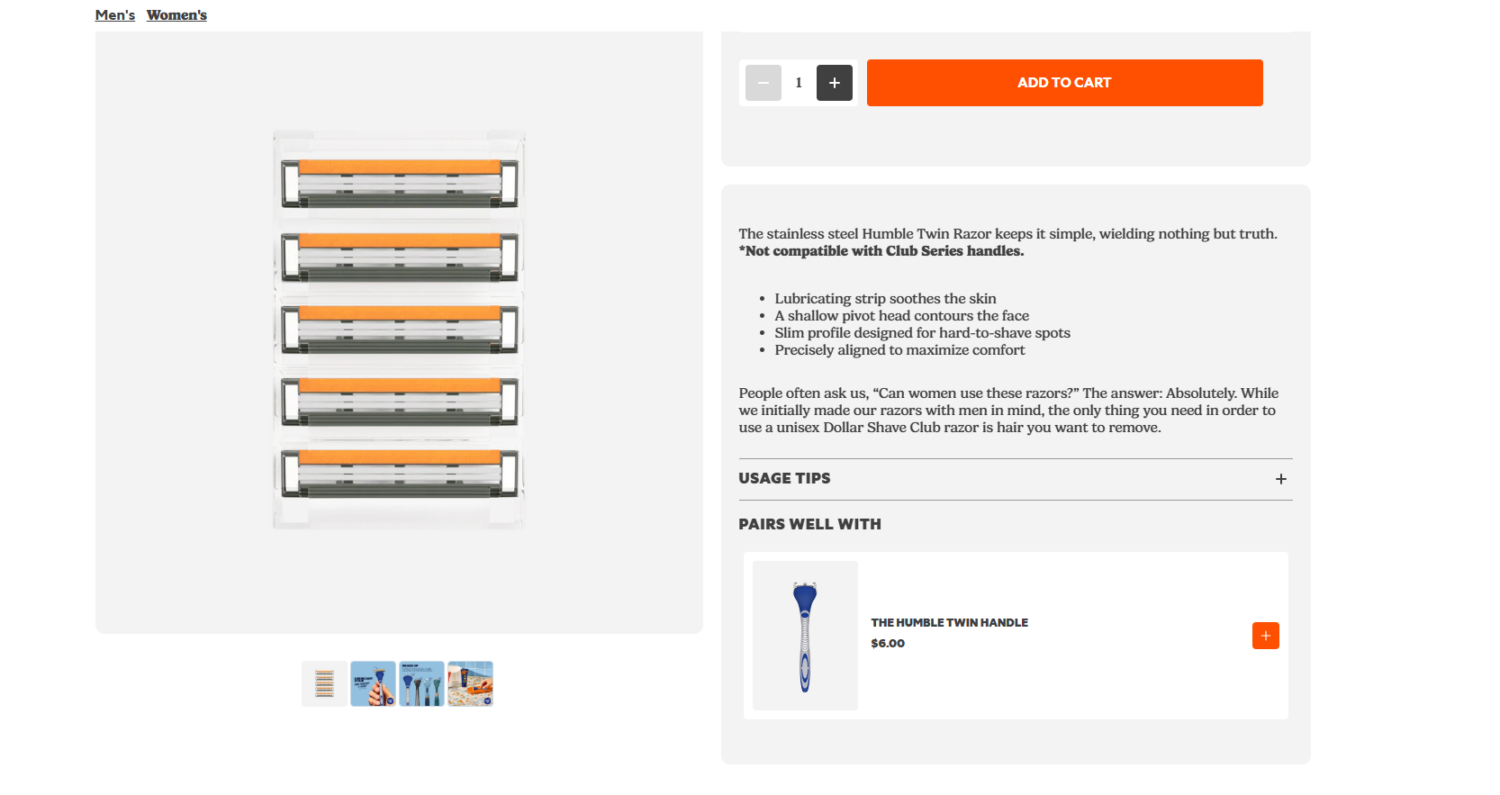
Dollar Shave Club nails this. Its Humble Twin Razor page writes in a plain, no-nonsense voice and answers the exact question its readers ask: “Can women use these razors? Absolutely.” It speaks to real people in their own words, so the page reads like a person who gets them.
Your first line decides whether they keep reading. Don’t waste it on a model number or a feature list. Open with the one reason this product makes their life better.
Find that “one thing” before you write. Ask what single outcome the shopper wants most. Comfort? Status? Time saved? Confidence? Lead with that, and let everything else support it.
A simple trick from Shopify’s own guidance: start a sentence with the word “imagine,” then describe how the shopper will feel owning the product. It pulls them into the scene before they think about price.
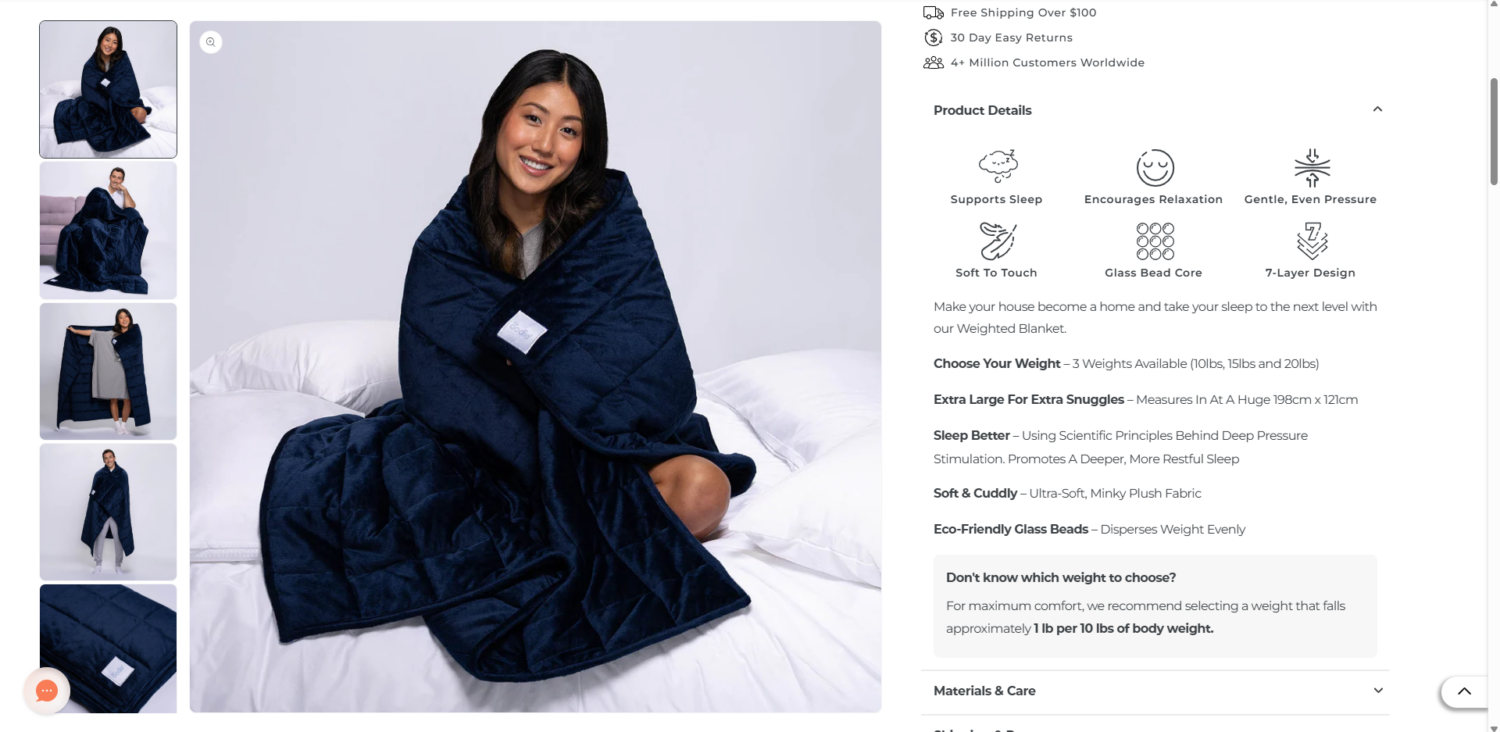
The Oodie opens its weighted blanket page with a promise to take your sleep to the next level. That speaks straight to a tired shopper browsing from bed. The specs come later, after the hook has done its job.
Features describe the product. Benefits describe the shopper’s life with it. People buy benefits, then justify the purchase with features.
Run every feature through a “so what?” test. State the feature, ask “so what?”, and the answer is your benefit. Here’s the move in action:
Dollar Shave Club does exactly this on its Humble Twin Razor page. Every bullet ties a feature to its payoff: a lubricating strip that soothes the skin, a shallow pivot head that contours the face, a slim profile built for hard-to-shave spots. List the feature, then name the benefit. Never make the shopper do the math on why it matters.
Help the shopper feel the product through the screen. Concrete, sensory words sell harder than empty adjectives like “great,” “amazing,” or “high-quality.” Those words tell the shopper nothing.
Reach for words tied to the senses. Touch: silky, plush, crisp, smooth, sturdy. Taste and smell: rich, zesty, bright, earthy. Sight: sleek, vivid, luminous. Sound: quiet, crackling. Each one paints a picture the shopper can feel.
Rare Beauty describes its lip cream as “air-whipped” with “melted-in color” that “won’t weigh you down.” You can almost feel the texture. That’s the gap between describing a product and making someone want it.
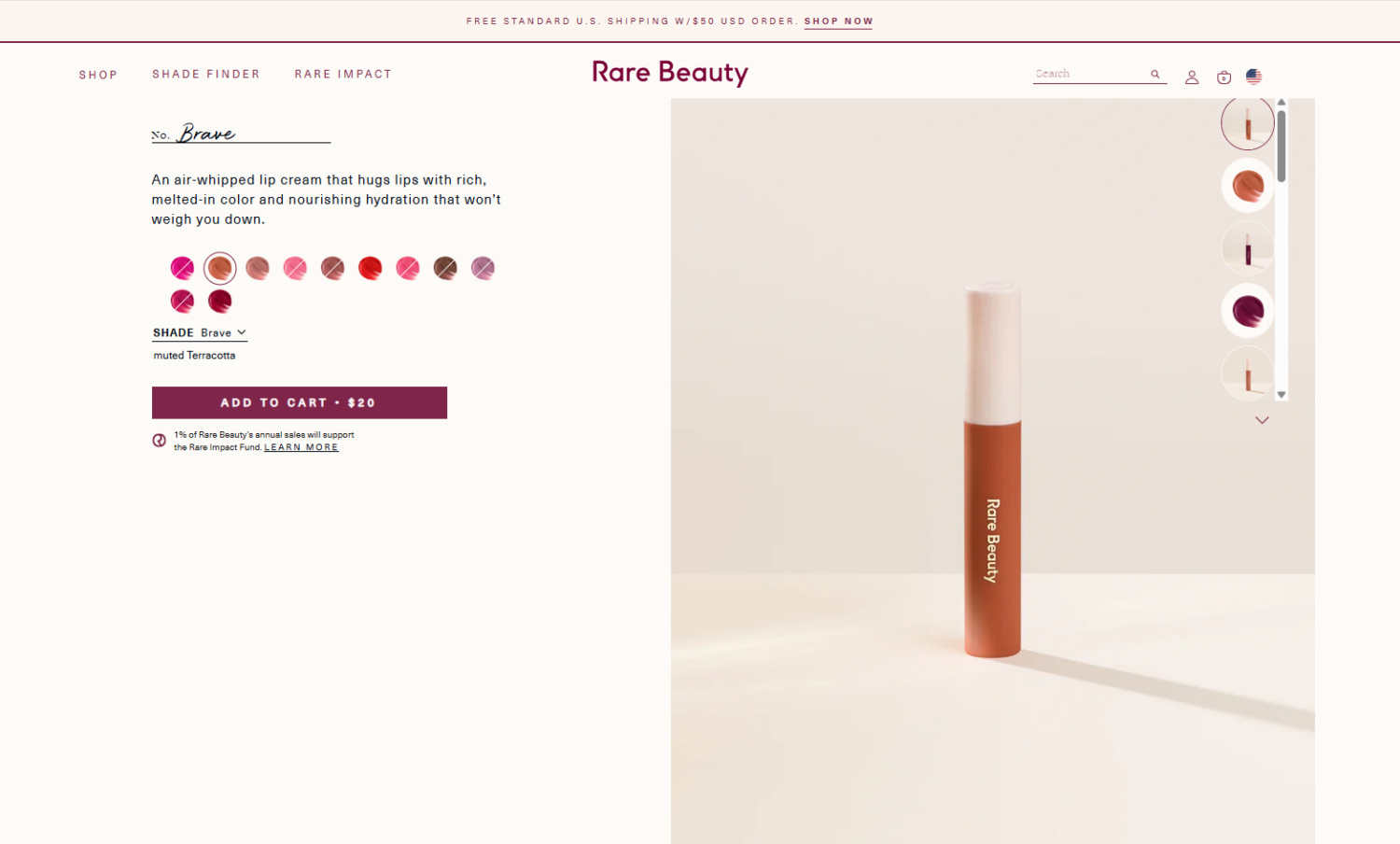
A small story turns a product into something a person wants in their life. It makes the copy memorable and human, and it gives the shopper a reason to care beyond specs.
You have three easy story angles. Origin: why you made it. Use-case: a moment the product fits into. Transformation: life before and after. Pick one and keep it to a sentence or two.
City Bonfires weaves its origin into the page, noting the business was started by two dads during the pandemic. That small human detail builds trust before the shopper even reads the burn time. Jeni’s Ice Cream goes further, opening a flavor page with the anecdote behind how the flavor was born instead of an ingredient list. You read it, and you want to taste the story.
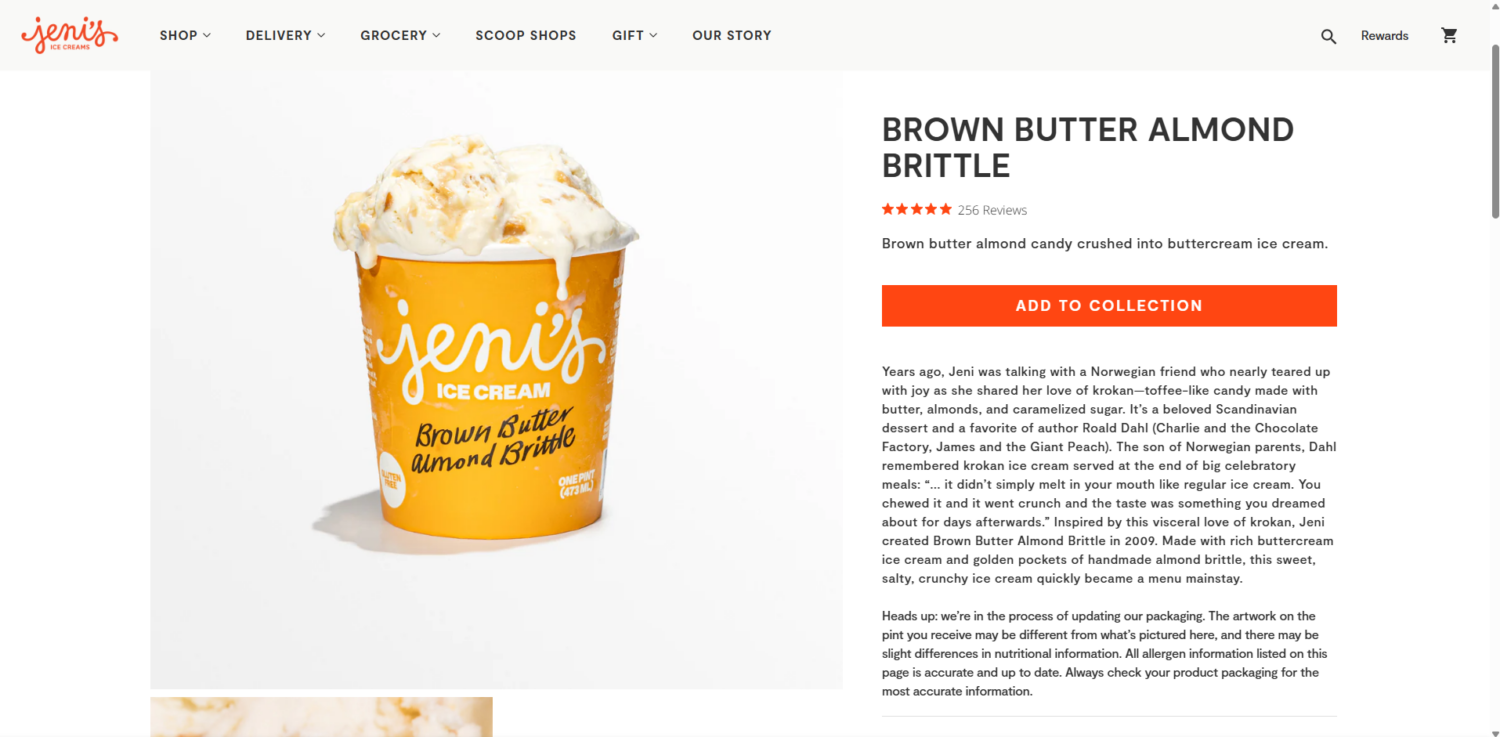
Every shopper has a silent “but.” Will it fit? Is the material any good? How do I clean it? Will it work with what I own? Answer these in the copy and you remove the reason to hesitate.
Cover the common objections directly:
City Bonfires pre-answers the obvious questions on its fire pit page: how long it burns, how hot it gets, and whether you can cook on it. Nothing is left to wonder, so nothing stalls the purchase. Back your answers with social proof, too. A review snippet or a star rating settles doubts that your own copy can’t, and a short “frequently asked” line near the description catches the rest.
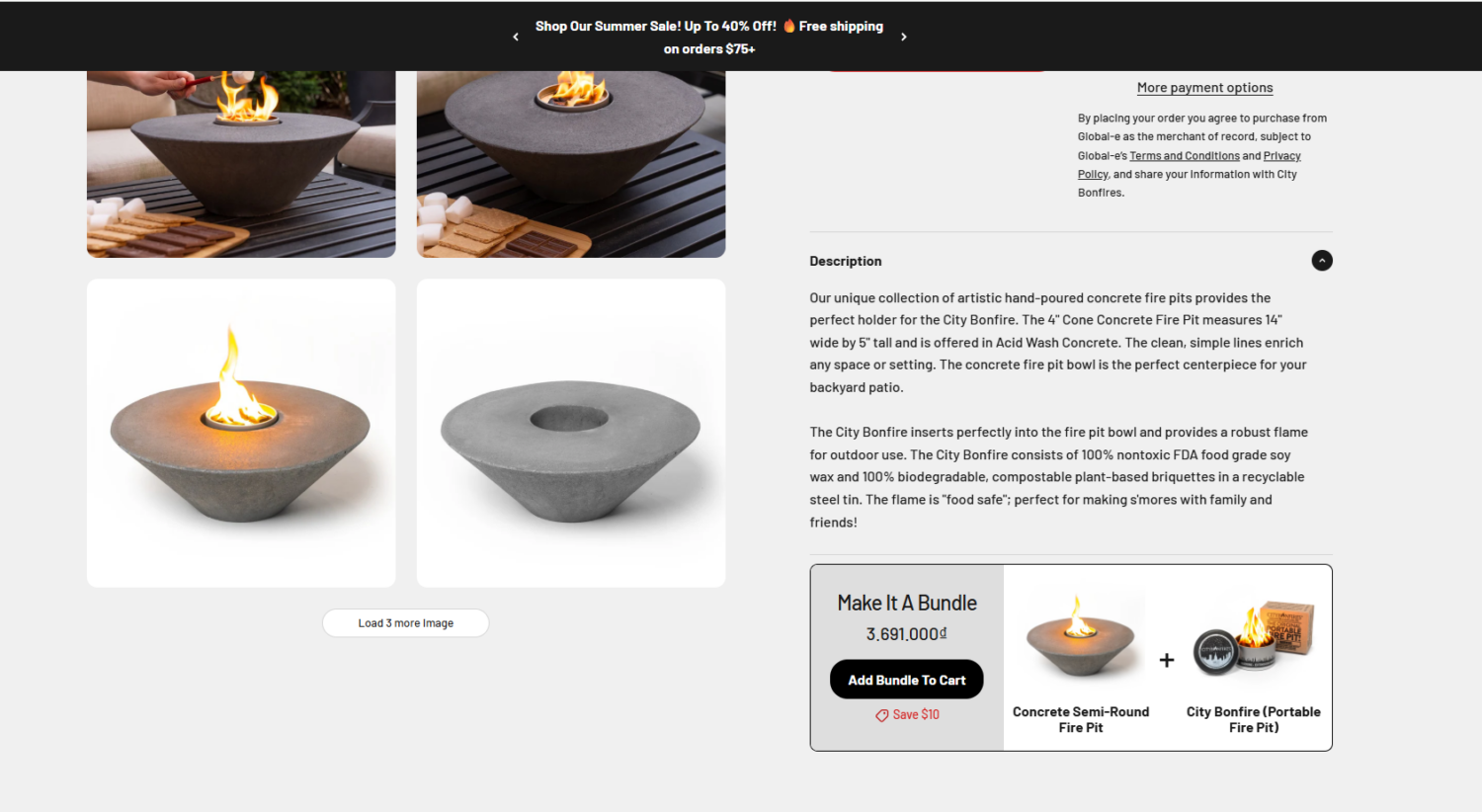
People scan; they rarely read every word. And most of them are on a phone. As of late 2025, smartphones drove roughly 78% of retail site visits and about 70% of online orders worldwide. Your description has to land on a small screen, fast.
Format for the scanner. Use short sentences. Break benefits into bullets. Add subheadings. Bold the words that matter. Leave white space so the page breathes. Most of all, front-load the key line, because many shoppers never scroll past the first screen.
The Oodie leads with benefit-first bullets like “Sleep Better” and “Soft & Cuddly,” so a skimmer gets the point in three seconds. Strong product images and videos carry the rest, which is why copy and visuals belong together on the page.
Your description should sound like your brand on every product, not like a different writer each time. A consistent voice builds recognition and trust across your catalog.
Define your voice in three words before you write. Playful? Premium? Plain-spoken? Bold? Then hold that tone on every page, from the hero product to the clearance item.
GLD writes with streetwear confidence, with phrases like “fully iced out” and “your new go-to accessory.” The tone mirrors how its audience talks, which builds instant rapport. Hatch does the opposite end well, writing maternity copy that’s warm and identity-led. Both win because the voice fits the buyer and never wavers.
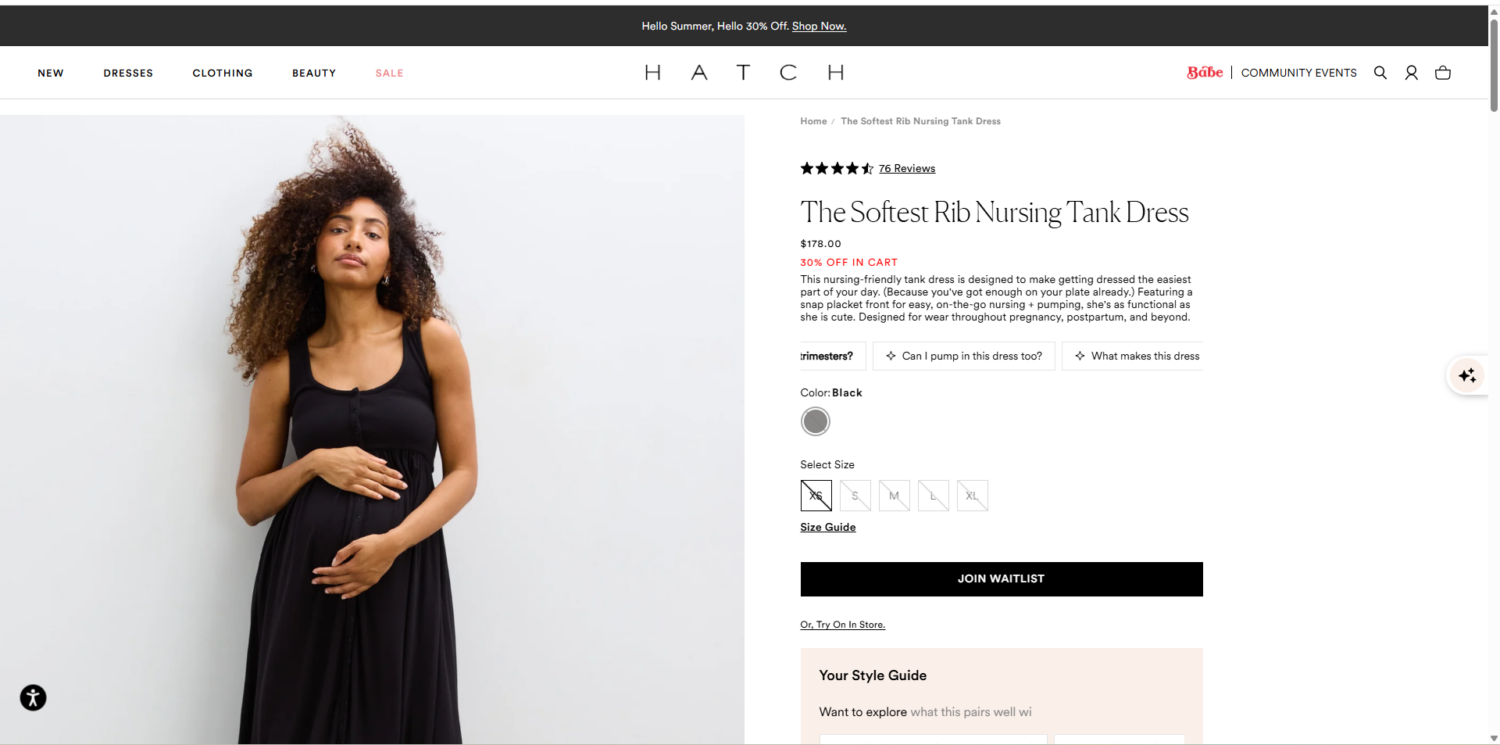
Don’t make the shopper guess the next step. Once you’ve made the value obvious, point them straight to it.
Keep the close short and low-friction. A confident “Add to cart” beats another paragraph of pitching. If the offer has a genuine reason to act now, a free gift at a spend threshold or limited stock, name it. The job of the last line is to move a convinced shopper forward, never to add fresh doubt.
When you have dozens of products to write, a structure saves hours and keeps quality even. Here’s a product description formula you can copy for almost any item:
Here’s the template filled in for a soy candle:
Fill your home with calm in minutes. This hand-poured soy candle turns any room into a quiet retreat.
Made with 100% natural soy wax. Lead-free cotton wick. Dimensions: 8cm x 9cm.
“Best candle I’ve bought. The scent fills the whole living room.” Rated 4.8 from 320 reviews.
Add to cart and bring the calm home.
And the same formula for a pair of jeans, to show how it flexes:
The jeans you’ll reach for every single day. A relaxed straight fit that moves with you and never digs in.
98% cotton, 2% elastane. Runs true to size; size down for a slim fit. Machine washable.
“Three months in and they still look new.” Rated 4.7 from 1,200 reviews.
Find your size and add to cart.
Reorder the blocks to fit the product. A visual, emotion-led item can lead with story. A technical product can lead with specs. The five parts stay the same; only the order shifts.
Shoppers find products two ways now. Some still use Google’s ranked links. More and more use AI search.
AI tools like Google’s AI Overviews, ChatGPT, Perplexity, and Gemini read product pages and answer the shopper directly. They cite a few sources. You want to be one.
This shift is fast. Adobe surveyed 5,000 U.S. shoppers and found 38% had used AI to shop online, with another 52% planning to. Their top tasks were product research and recommendations.
It’s heading somewhere bigger: agentic commerce, where an AI agent shops and checks out for the buyer. Your description is what that agent reads to decide, so clear, specific copy is how you get picked.
The good news is simple. The same moves win both channels, because both reward helpful, specific, well-organized copy. Here are the tips that matter most.
Then finish the small details. Write a meta description under 160 characters with the keyword. Give each image clear alt text. Keep the URL short and keyword-led. These compound across your catalog and feed your wider conversion rate optimization and product page optimization work.
Writing for a large catalog takes time most merchants don’t have. AI closes that gap, and merchants have noticed. Per Shopify’s November 2025 survey, 75% of business owners now use AI tools, with content generation the most common use at 69%.
Shopify builds this in. Shopify Magic generates a draft description from a product title and a few keywords, right inside the product editor. A dedicated AI product description generator does the same with more controls over tone and length.
The output is only as good as your input. Guide the tool with three things:
Then edit every draft before it goes live. AI gives you a fast first version, not a finished one. Check the facts, cut the filler, add a real detail only you know, and make it unique. Raw AI output is often generic, and thin, copycat copy won’t sell or rank under Google’s helpful-content standards. Treat AI as your intern, not your closer.
A product description can do more than sell one item. It can set up the next one.
Inside your copy, point to what pairs well with the product. A “wear it with” or “completes the set” line plants the idea of a second purchase without a hard sell. This is a quiet, natural way to raise your average order value on the same page that’s already converting.
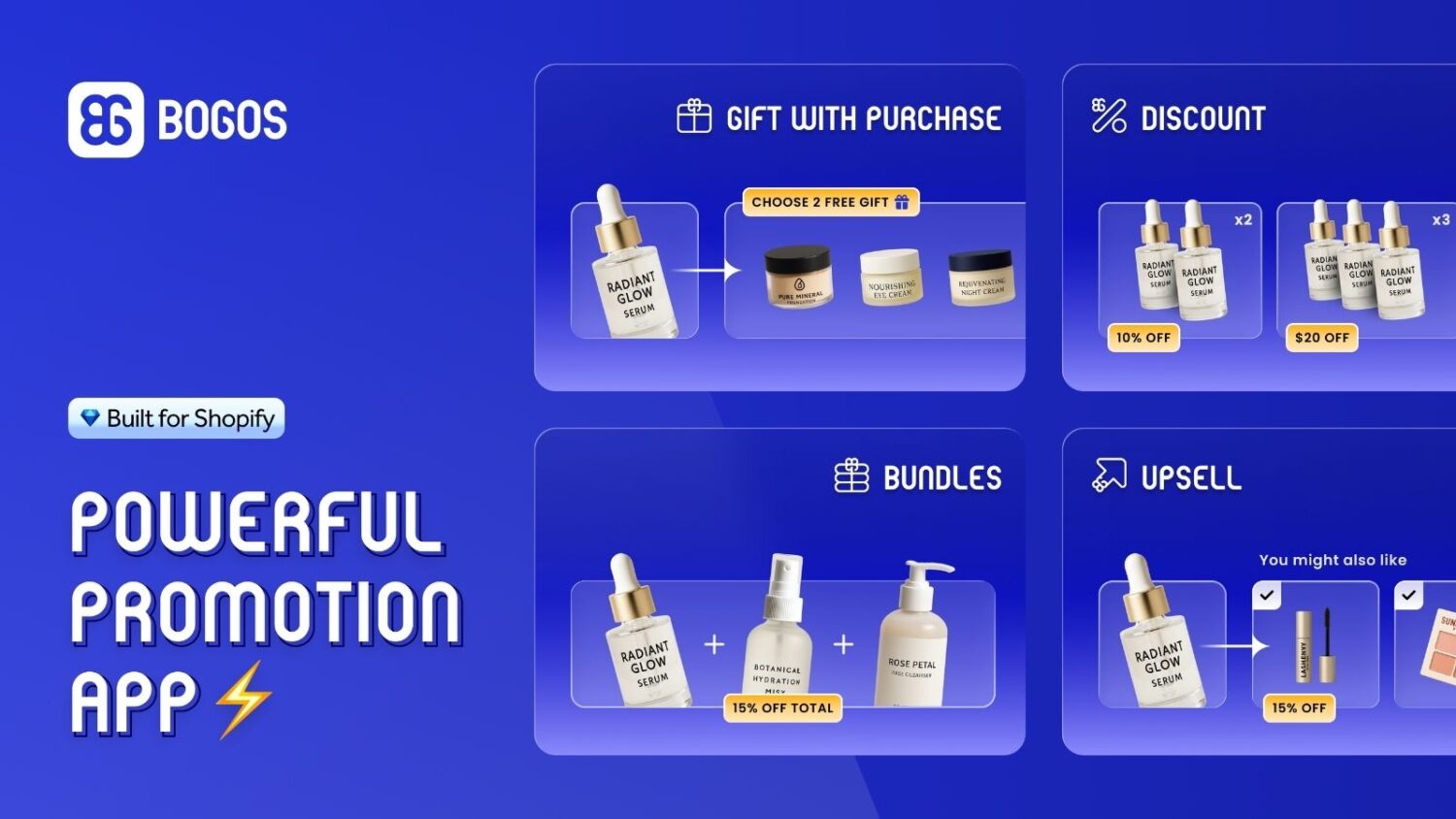
Tee up bundles and gifts the same way. If a product belongs to a set, or unlocks a free gift at a spend threshold, say so in the description while the shopper is deciding. Our own app, BOGOS, lets you attach those bundle and gift-with-purchase offers to the page, so the cross-sell the copy promises is one click away. The description introduces the offer; the offer lifts the cart. It’s a small change with an outsized effect on revenue per visitor.
A few habits quietly cost you orders. Fix these and most descriptions improve overnight:
A product description is one of the highest-leverage pieces of copy on your store. It’s where curiosity becomes confidence, and confidence becomes a sale.
The method is repeatable. Write to one buyer. Lead with the benefit. Turn features into outcomes. Use vivid, sensory language. Answer the silent objections. Prove your claims. Keep it scannable on mobile. Hold a consistent brand voice. Close with a clear call to action. Do that on every product and you build a catalog that sells while you sleep.
Watch the numbers that tell you it’s working: a higher product page conversion rate, a stronger add-to-cart rate, and fewer returns from mismatched expectations. Start with your best-selling product, rewrite its description with the framework above, measure the lift, then roll the wins across your store. Small copy changes, applied store-wide, are one of the most reliable ways to boost your Shopify sales.
There’s no fixed rule, and Google doesn’t reward a magic word count. Write enough to answer every question a buyer has, and no more. Simple, familiar products may need only 50 to 100 words. Complex, technical, or higher-priced items often need 200 or more to cover the details that drive the decision. Keep it scannable at any length, and aim to stay under roughly 500 words so the page stays easy to read on a phone.
No, not for using AI. Google rewards helpful, original content no matter how it’s produced. The real risk is publishing raw AI output that’s generic or duplicated across many products, which reads as thin content. Edit every draft, add specific detail, and make each one unique, and AI-assisted copy ranks fine. Quality is the test, not the tool.
It removes the shopper’s uncertainty. A converting description leads with a clear benefit, translates features into outcomes, answers the obvious objections, proves its claims with reviews or specifics, and reads easily on mobile. The test is simple: when a shopper finishes reading with no questions left, they buy.

Shoppers hesitate to buy a $1,200 sofa or a custom ring when they can’t see the exact version they’re...
Selling personalized products on Shopify gets hard the moment a shopper needs to type a name or choose a...

The UK is the largest eCommerce market in Europe and the third-largest in the world. For international Shopify stores,...