

Charlie Ngo
•
Last updated: 20 October, 2026
Shopify Collections: How To Create & Organize Them (2026)
Shopify collections decide how shoppers find your products, yet many guides still describe a setup Shopify is now replacing....
How Shopify Stores Can Turn Mobile Shoppers Into Higher-Value Orders

Digital Marketing Specialist
Summarize this post with AI
Mobile traffic is already a major part of Shopify sales.
Your customers browse on their phones while waiting in line, sitting on the couch, commuting, comparing products, or coming back from a campaign. The problem is, many Shopify brands still treat mobile as just another version of their online store.
But mobile shoppers behave differently.
They move faster. They scroll quickly. They make decisions in shorter moments. And when the mobile shopping experience is not clear, smooth, or engaging enough, they either buy less than they could or leave before buying at all.
That means the real opportunity is not only getting mobile shoppers to convert.
The bigger opportunity is helping them discover more, add more, and buy more in a way that feels natural.
This is where mobile average order value, or mobile AOV, becomes important. When your mobile experience is built to guide shoppers toward better product discovery, personalized recommendations, relevant offers, and repeat engagement, each mobile visit can become more valuable.
Let’s break down how Shopify stores can turn mobile shoppers into higher-value orders.
Mobile shoppers browse fast and decide in short moments, so the real win isn’t just converting them — it’s making each mobile visit more valuable. To raise mobile average order value (AOV) on Shopify: make product discovery easy, personalize recommendations, add relevant upsells and cross-sells without disrupting the flow, keep offers simple and mobile-first, turn bigger orders into long-term loyalty, and use push notifications to bring shoppers back. The goal isn’t forcing bigger carts — it’s building a smoother, more relevant mobile journey.
Mobile AOV means the average order value generated from shoppers who buy through a mobile device, such as a smartphone or tablet.
For Shopify stores, this matters because mobile shoppers often make up a large share of traffic. If most of your visitors are coming from mobile, even a small improvement in mobile cart value can make a meaningful difference to your overall revenue.
Getting more mobile visitors is not enough on its own.
A shopper may land on your store from Instagram, TikTok, an email campaign, SMS, paid ad, or Google search. But once they arrive, the question becomes: are you helping them buy only one item, or are you helping them see the full value of your products?
Mobile shoppers often browse quickly. They do not always spend time going through every collection, checking related products, or comparing bundles. If the experience makes them work too hard, they may simply buy the first product they came for or leave without exploring more.
That is why mobile AOV matters.
A strong mobile shopping experience can help Shopify stores:
The goal is not to push shoppers aggressively.
The goal is to guide them toward relevant products, better combinations, and offers that make sense for what they already want.
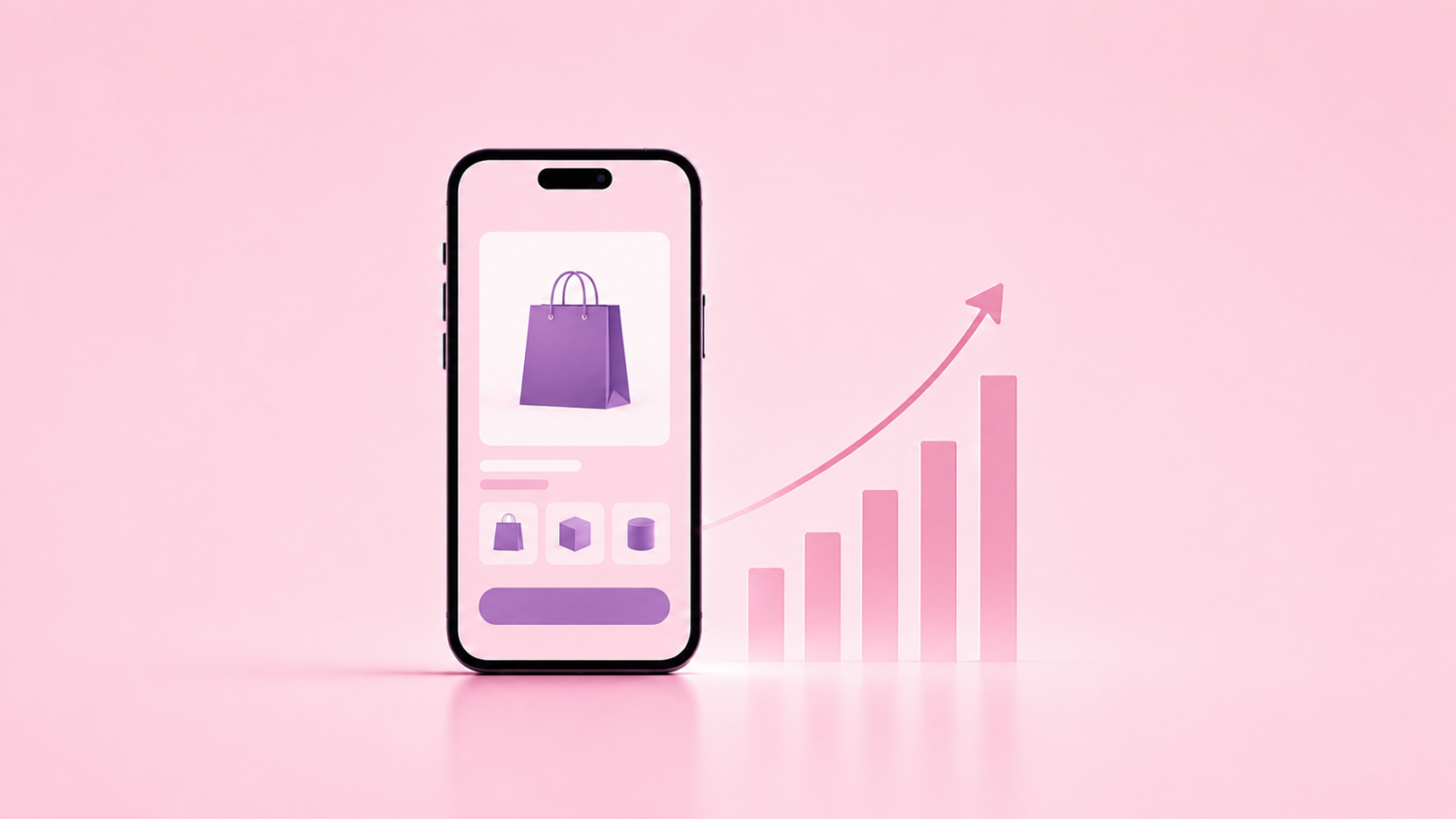
Improving mobile AOV comes down to a handful of deliberate choices about how shoppers discover, decide, and come back. The strategies below build on each other: they start with why mobile order value matters, move through the on-store experience that shapes every cart, and finish with the channels that pull shoppers back for another purchase. You don’t need all seven at once, but together they turn a fast, casual mobile visit into a more valuable one.
Product discovery is one of the biggest factors behind higher-value mobile orders.
To increase mobile AOV, Shopify stores should make discovery faster and more intuitive. Shoppers should be able to find relevant products without digging through endless menus or scrolling through crowded pages.
A better mobile product discovery experience can include:
Personalization is one of the most effective ways to increase cart value because it makes the shopping journey feel more relevant.
Instead of showing every shopper the same products, you can guide them based on what they viewed, bought, added to cart, searched for, or showed interest in.
For Shopify merchants, this can be especially powerful on mobile because mobile sessions are often shorter. You do not have much time to capture attention. The faster you show something relevant, the more likely shoppers are to continue browsing and add more to cart.
Personalization can help you recommend:
For example, if a customer buys protein powder, you can recommend a shaker, supplement bundle, or subscription option. If someone views a phone case, you can show screen protectors or matching accessories. If a shopper buys baby clothing, you can recommend multipacks or seasonal essentials.
The key is relevance.
Personalization should not feel random. It should feel like the store understands what the shopper needs next.
When done well, personalization turns mobile shopping from a simple transaction into a guided experience. And that can lead to bigger baskets without adding friction.
Upsells and cross-sells are two of the most reliable ways to lift mobile AOV, but only when they respect the shopper’s flow.
An upsell encourages the shopper to choose a better or larger version of what they already want. A cross-sell suggests something that pairs well with it. Both work by adding relevance, not pressure.
On mobile, the challenge is space and speed. Screens are small, sessions are short, and shoppers bounce quickly when something feels like a hard sell. So the goal is not to interrupt the journey with pop-ups and demands. It is to place the right suggestion at the right moment, so it feels like a natural next step.
That usually means offering upsells and cross-sells at the points where the shopper is already making a decision:
The offers themselves should be simple to understand and simple to accept, ideally with a single tap.
Some upsell and cross-sell formats that work especially well on mobile include:
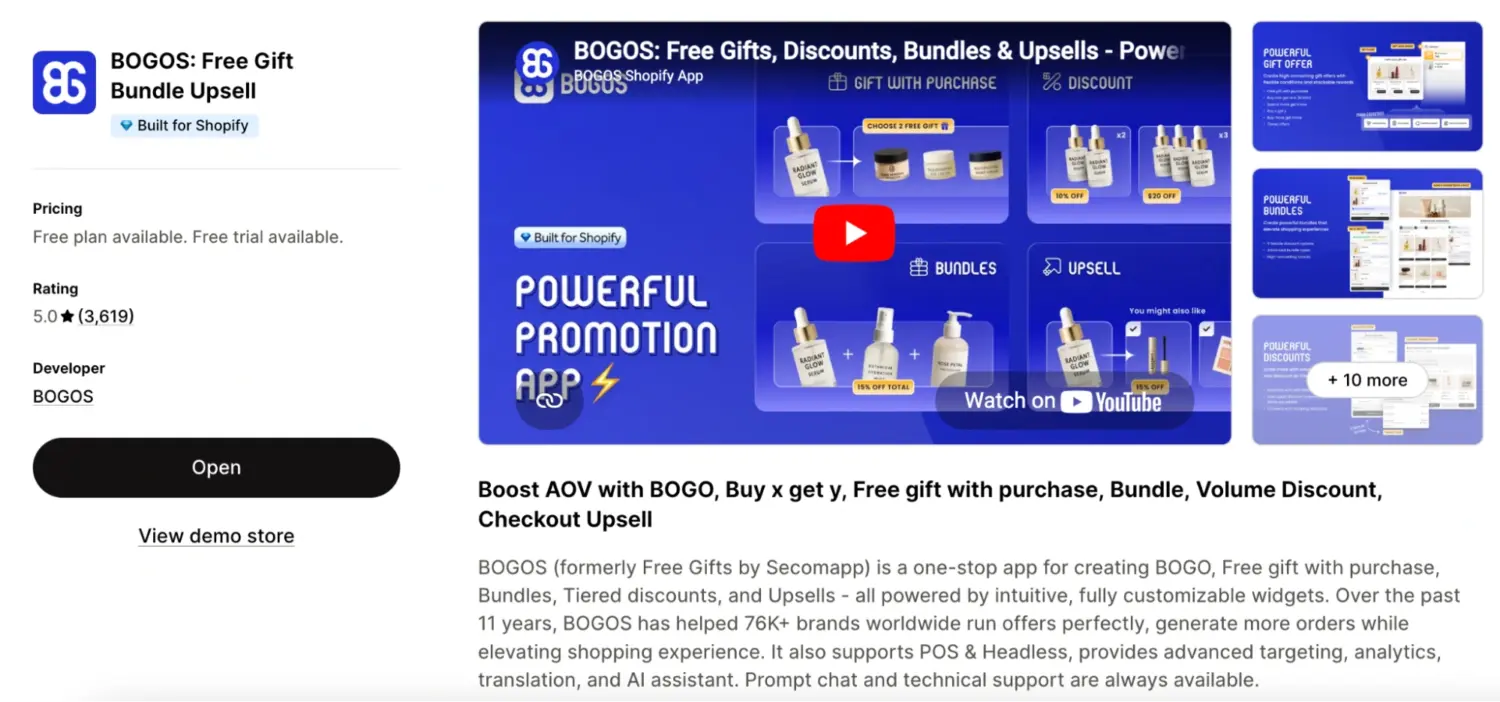
This is where an app like BOGOS can do a lot of the heavy lifting. Instead of building every offer by hand, you can set up gift-with-purchase, buy-one-get-one, volume discount, and bundle offers that trigger automatically based on what is in the cart, and display them right inside the mobile shopping experience. A shopper adding a face serum can be shown a matching moisturizer at a bundle price, or told they are $10 away from a free gift, without ever leaving the flow they are already in.
The rule to remember is restraint. One well-placed, relevant offer will almost always outperform three that get in the way. When upsells and cross-sells feel like helpful suggestions rather than interruptions, shoppers add more because they want to, and the mobile experience stays smooth.
Mobile shoppers respond well to offers when they are clear, easy to understand, and easy to act on.
But not every offer is built for mobile.
If shoppers need to read too much, copy a complicated code, or calculate the benefit themselves, the offer can lose impact. Mobile-first offers should be simple enough to understand at a glance.
Some strong mobile-first offer ideas include:
These offers work because they give shoppers a reason to increase their cart value. They also make the next step clear.
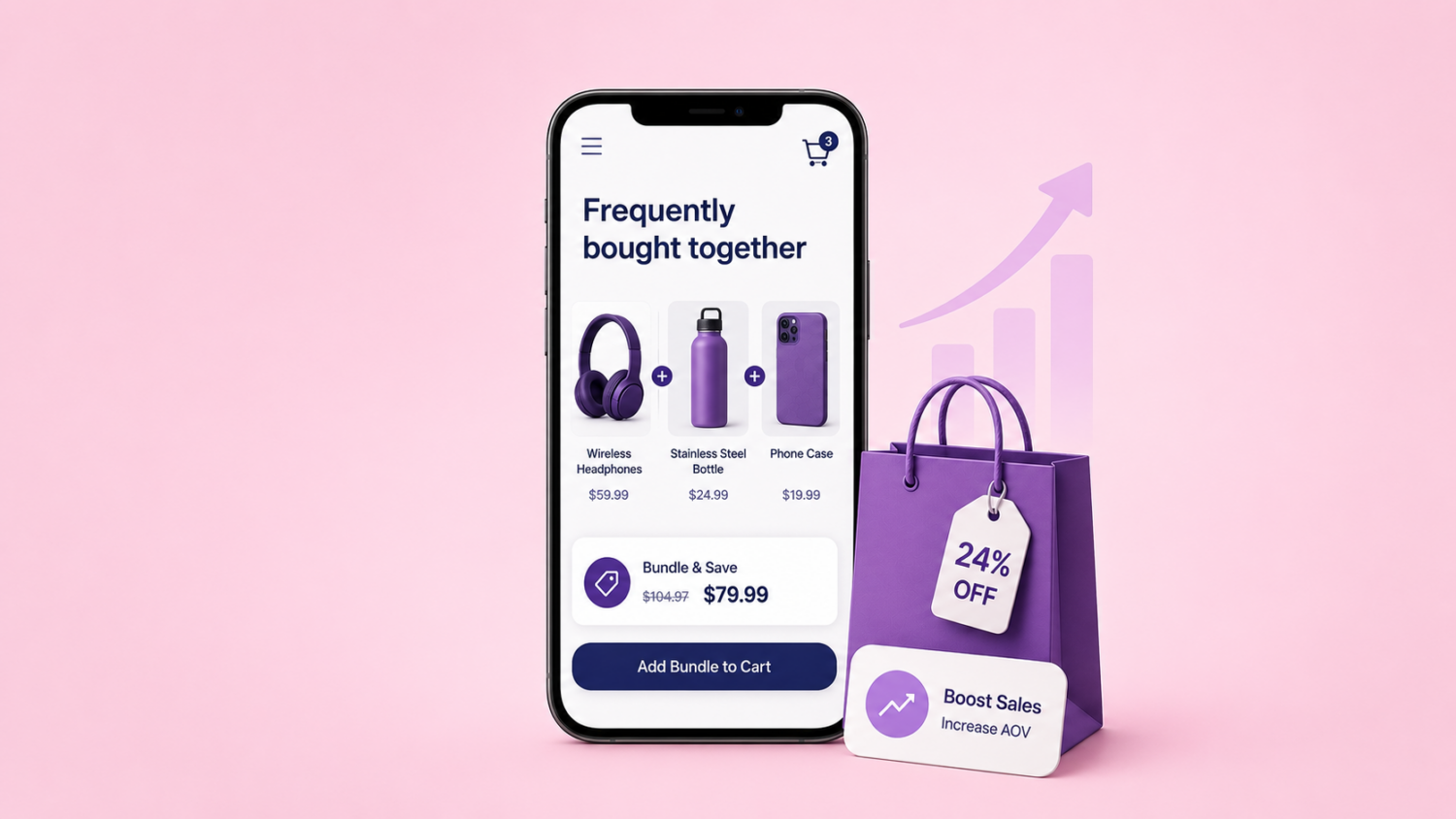
Increasing mobile AOV is important, but it should not stop at the first purchase.
A higher-value order can also become the beginning of a stronger customer relationship. Once a shopper places a bigger order, you have a chance to bring them back, reward them, and turn that one purchase into long-term value.
This is where loyalty programs, subscriptions, exclusive offers, and app-only perks become powerful.
A Shopify store can encourage repeat purchases through:
For example, a beauty brand can invite customers to subscribe to products they use regularly. A food brand can promote monthly bundles. A fashion store can offer app users early access to new collections. A pet brand can remind customers when it is time to reorder.
The idea is simple: do not treat higher-value orders as one-time wins.
Use them as signals.
If a customer buys more, they may be more engaged. If they respond to bundles, they may like curated offers. If they buy regularly, they may be a good fit for subscriptions or loyalty rewards.
This helps Shopify brands increase not only AOV, but also customer lifetime value.
Even the best mobile shopping experience needs a way to bring shoppers back.
Most customers will not visit your store every day on their own. They get distracted. They compare options. They forget products in their cart. They wait for the right moment.
Push notifications help you create that moment.
For Shopify stores with a mobile app, push notifications can be one of the most effective ways to re-engage customers without relying only on paid ads, email, or SMS.
You can use push notifications to bring shoppers back for:
Push notifications are especially useful because they reach shoppers directly on their phones. When the message is relevant, timely, and connected to the shopper’s behavior, it can guide them back into the app and toward another purchase.
Compared to a mobile website, a mobile app gives Shopify stores a dedicated channel where shoppers can browse, receive push notifications, access app-only campaigns, and move through the buying journey with fewer distractions.
For Shopify merchants, a mobile app with Shopney can help increase AOV by supporting:
Mobile shoppers are already coming to your Shopify store.
The question is whether your mobile experience helps them buy more of what they actually want.
Higher-value mobile orders do not happen by accident. They happen when shoppers can discover products easily, receive relevant recommendations, understand offers quickly, and return through direct engagement channels like push notifications.
For Shopify stores, increasing mobile AOV is not about forcing bigger carts.
It is about creating a better mobile journey.
When the experience feels smooth, helpful, and personalized, shoppers are more likely to explore more products, add relevant items, respond to offers, and come back again.

Shopify collections decide how shoppers find your products, yet many guides still describe a setup Shopify is now replacing....

A Shopify announcement bar is the thin strip at the top of your store that tells shoppers about shipping,...
Australia is one of the first markets many Shopify stores expand into. It is large, English-speaking, and home to...