Ruby is a Marketing Executive and the driving force behind BOGOS’s content. With a deep understanding of eCommerce & Shopify sales promotions, Ruby is passionate about helping merchants optimize their offers & unlock the full potential of their businesses.
When merchants launch new promotions, they often invest heavily in the offer itself—perfecting the discount percentage, timing the campaign, and designing eye-catching banners.
However, no matter how great the offer is, without traffic, it won’t lead to results.
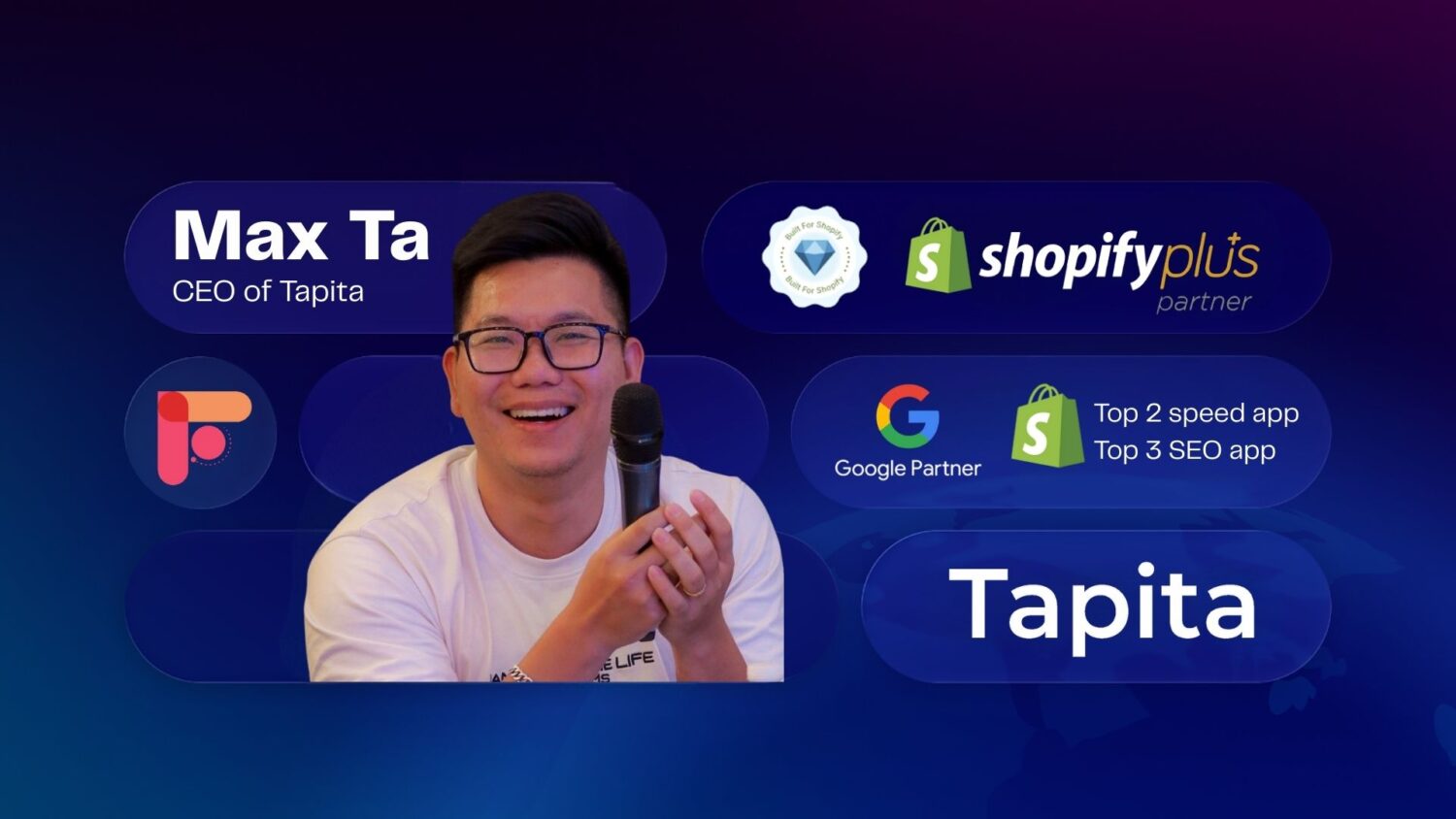
In this edition of our “Expert Interview” series, the BOGOS team interviewed Mr Max Ta, CEO of Tapita, a leading Shopify solution provider for SEO and Speed optimisation trusted by 30,000+ stores worldwide, to understand why even compelling offers fail to attract customers.
The Visibility Problem: Great Offers Only Engage Existing Traffic
Many merchants view sales promotions primarily as a tool to convert visitors who are on their website. While this is an effective strategy for engaging existing traffic, it accidentally creates a crucial blind spot: these promotions fail to attract new customers.
Think about it. You’re running free gift with winter boots, BOGO on coffee, or 30% off bundles. Those are the kinds of hot sales promotions that have the potential to attract tons of new customers.
But when your competitor’s stores appear in search results, and yours doesn’t, you never get the chance to convert that shopper. You lost them before the competition even started.
MaxTa, CEO of Tapita
That’s why if your promotion isn’t structured for search visibility, your competitor with a slightly worse offer but better discoverability wins the customer.
6 Rules for Making Your Offers Work as Customer Acquisition Tools
If high-intent shoppers are searching for deals you already offer, how do you ensure they find your store first?
As Mr Max puts it: “Your offer can be the reason a new customer discovers your store, not just a surprise they find after they’ve already arrived.”
To help merchants bridge this visibility gap, Mr Max has advised us on 6 practical SEO rules to transform invisible promotions into a high-performance engine for consistent customer acquisition.
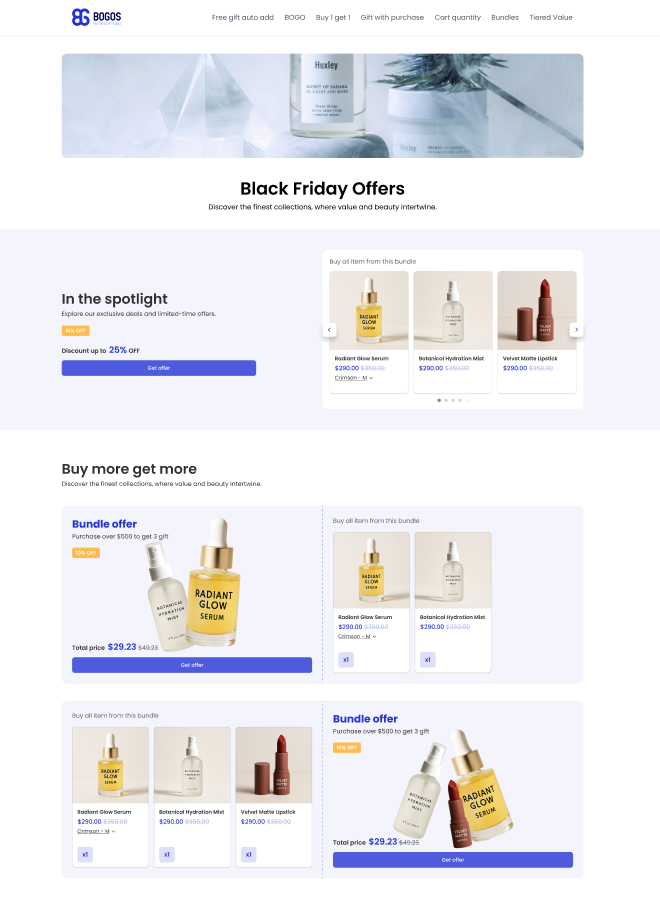
Rule 1: Create a Dedicated Offer Page
Most stores communicate offers through homepage banners, popups, or product page widgets. These elements are difficult for search engines and AI to index as standalone content, limiting discoverability when customers search for deals.
The solution is to create a dedicated landing page for each major promotion. This is highly effective because Google’s AI rewards pages serve a single, clear purpose.
A dedicated offer page gives you:
Full SEO Control: You can optimise the page’s URL, title, and description to perfectly match a search query like “BOGO pizza Toronto”, giving it a clear focus that a cluttered homepage lacks.
Concentrated Authority: Every link and social share points to this one page, building its authority for your promotional keywords and helping it outrank competitors.
A Long-Term Traffic Asset:After the sale ends, the page remains indexed, continuing to attract visitors and can be updated for your next promotion.
A Clean Technical Foundation: It allows for precise technical data (like Offer and FAQ schema) to be applied, helping Google understand and feature your offer directly in search results.
Tips from BOGOS users:
Carefully choose which promotions to showcase offers with high search volume, and include your top-performing offers also.
Prioritise your strongest promotions (highest discount percentages, most popular bundles, valuable gift,…) at the top where they’re immediately visible.
Tips from Tapita users:
Run a tool like Tapita’s SEO audit immediately after publishing to catch common errors: missing meta descriptions, unoptimized titles, and missing image alt text
Keep pages live after promotions end with “Expired – See Current Offers” to preserve rankings
Rule 2: Make the Offer Page More Searchable
Based on research showing that 46% of all Google searches have local intent (Google), and “near me” mobile searches containing “can I buy” or “to buy” have grown over 500% (Think with Google), it’s clear that millions of high-intent customers are actively searching for specific, local deals. Therefore, the more specific your content is, the better search engines understand and suggest your store.
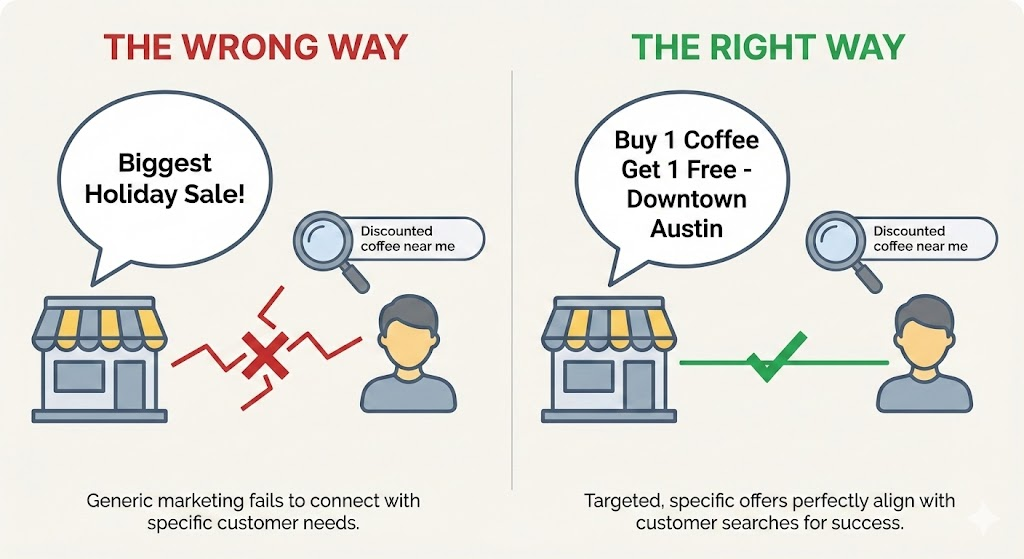
However, most merchants do the opposite with vague titles like “Biggest Holiday Sale.” This makes them invisible to search engines, which cannot match generic marketing claims to a customer’s specific query.
To become discoverable, structure your headlines, page titles, and banner text exactly like real search queries:
Exclusive gifts with winter boots in Portland for Black Friday
BOGO Free coffee downtown Austin – valid this weekend only
Back-to-school laptop bundles under $800 at [Store Name] Chicago
Tips from Tapita users:
Use Tapita’s Keyword Research to find trending long-tail phrases and location-specific queries.
Test different keyword variations in your promotional content and monitor which phrases drive the most new customer acquisitions.
Rule 3: Use Structured Data to Stand Out in Search
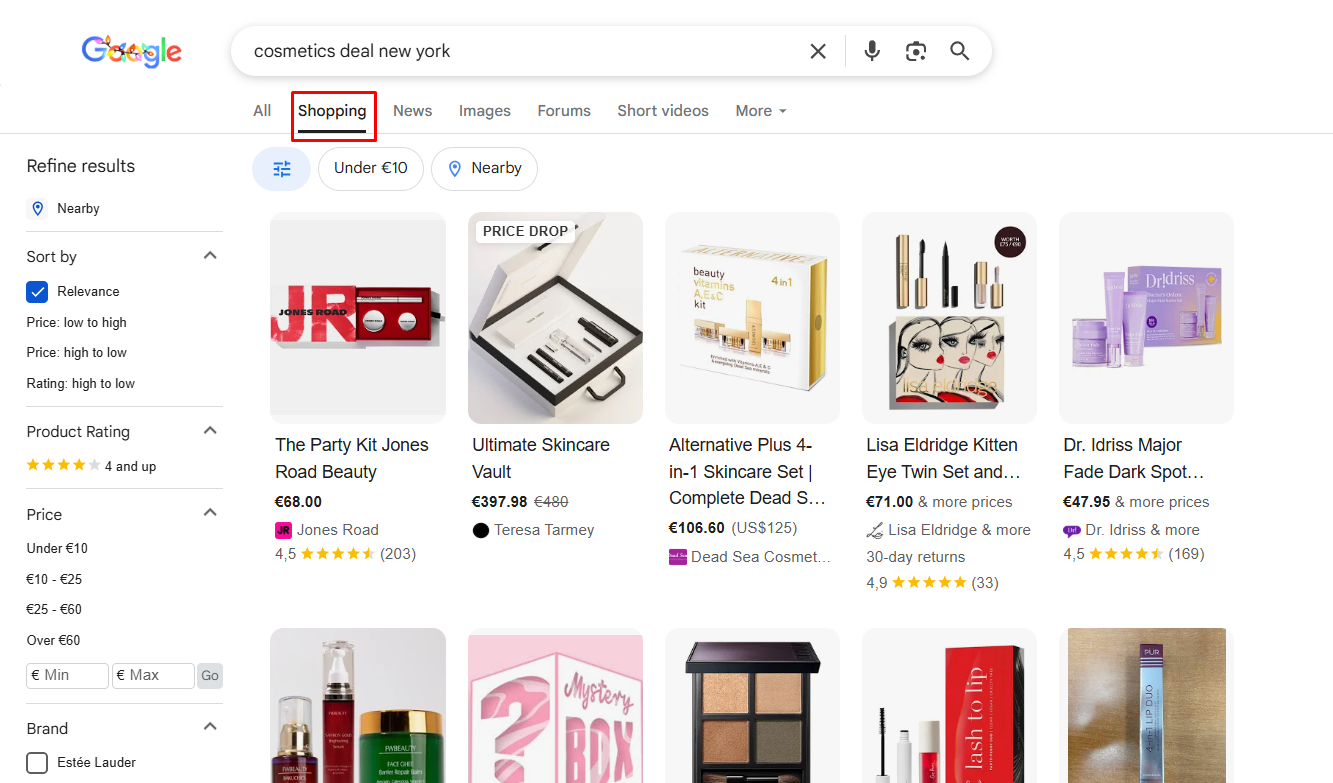
Imagine your offer appearing on Google with the discount, price, and end date shown right in the search results. That’s a rich result, and it’s created using a simple code called “structured data” (specifically, “Offer schema”).
This isn’t a small tweak; it’s a huge competitive advantage. Rich results are bigger, look more trustworthy, and earn far more clicks than the plain blue links your competitors are using.
Structured data is how you communicate your promotions to search engines in their native language. Without it, you’re just another blue link. With it, you visually stand out and give customers the information they need to choose you before they even click.
Max Ta, CEO of Tapita
For maximum visibility, pair this with your Google Merchant Centre. Syncing your offer details there allows your promotion to also appear in Google Shopping, giving you two powerful channels to be discovered instead of just one.
Monitor for errors: Regularly check Google Search Console for issues that could prevent your rich results from appearing.
Keep it updated:Instantly update the schema whenever an offer’s details (dates, prices) change.
Rule 4: Cross-Promote on All Channels
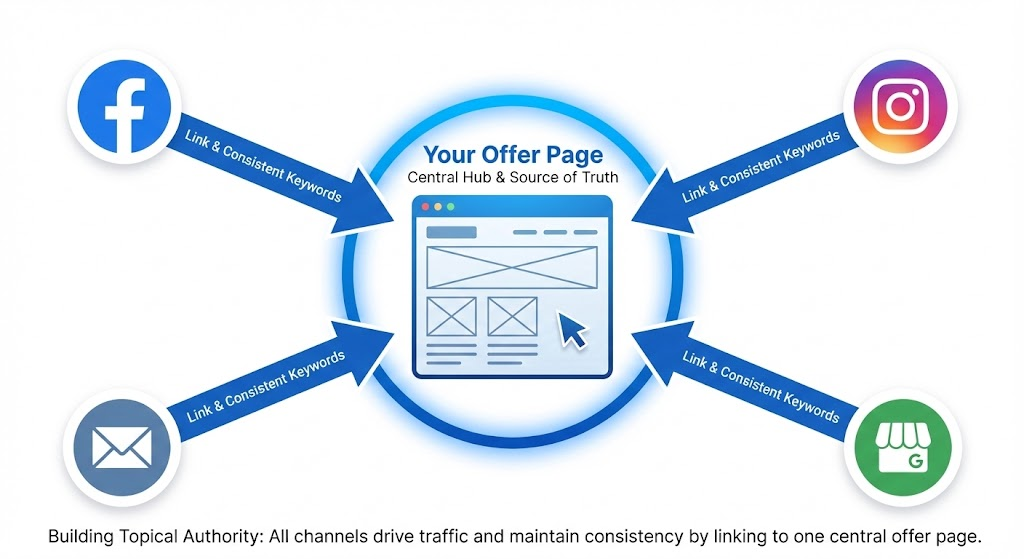
To maximise customer acquisition, your promotional strategy must extend beyond your own website to all the channels your customers use, including social media, email newsletters, Google Business Profile and local listings.
This is critical for two reasons:
First, it builds your offer page’s authority with search engines. Every link back to your offer page acts as a signal of its importance. As Mr Max notes, “When Google sees the same promotional URL referenced across multiple trusted platforms, it recognises your content as the authoritative source, helping you appear above competitors.”
Second, it meets the social commerce trends. Almost 80% of Gen Z and millennials now integrate social media into their shopping journey, with Gen Z and millennials leading this trend (Bazaarvoice). That’s why your offer must be visible in their feeds to even be considered.
Your Action Checklist:
Link to a Single URL: Always direct traffic to your dedicated offer page (not your homepage) to concentrate its authority.
Use Consistent Keywords:Use the same searchable offer name (e.g., “50% off running shoes Seattle”) in all social captions, emails, and posts.
Update Your Google Business Profile:Create a “Post” for your offer. This is crucial for capturing high-intent local search traffic.
Use UTM parameters: Track which channels drive the most new customers, then double your efforts on what works best for acquisition.
Rule 5: Prepare for AI Search Engines
Your next customer might prefer to ask an AI chatbot: “Where can I find discounted pizza in Austin this weekend?” That’s why, to ensure your deals are the ones being suggested, you must prepare your promotional content to be the clear and factual answer AI is looking for.
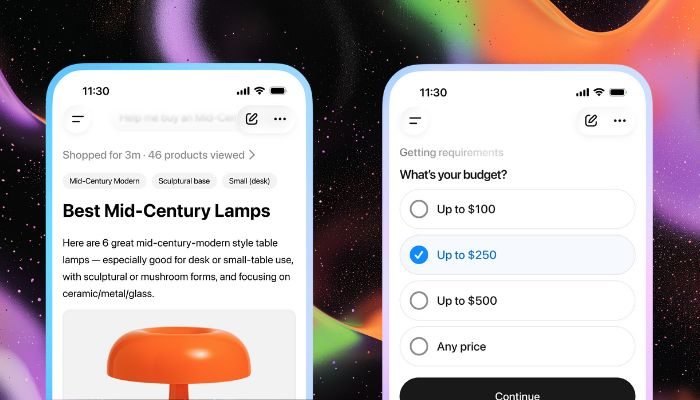
This isn’t a future trend; it’s a present reality. A recent study from Salsify reveals that 64% of consumers are already using AI to discover and research products. This has become even more critical now that ChatGPT has introduced the “Shopping Research” features, actively looking for deals like yours to recommend.
Your Action Checklist:
Guide AI with an LLMs.txt file:Create this simple text file to act as a map for AI, explicitly pointing it to your current and most important offer pages and telling it how to use the information found there.
Use Clear, Factual Language on the Page:Structure the content on your offer page with simple, direct statements. AI can parse and repeat facts, not marketing fluff (see Rule 2).
Answer Natural Questions on the Page:Add an FAQ section to your offer page that directly answers questions a user would ask an AI (e.g., “What time does the discount start?”, “Can I use this for takeout?”). This provides ready-made, accurate answers for the AI to use in its recommendations.
Rule 6: Eliminate Speed Barriers to Acquisition
According to research from Think with Google, as page load time goes from 1 to 3 seconds, the probability of a user bouncing increases by 32%. For a first-time visitor comparing deals, they have no brand loyalty and will simply click back to a faster competitor, meaning your offer is never even seen.
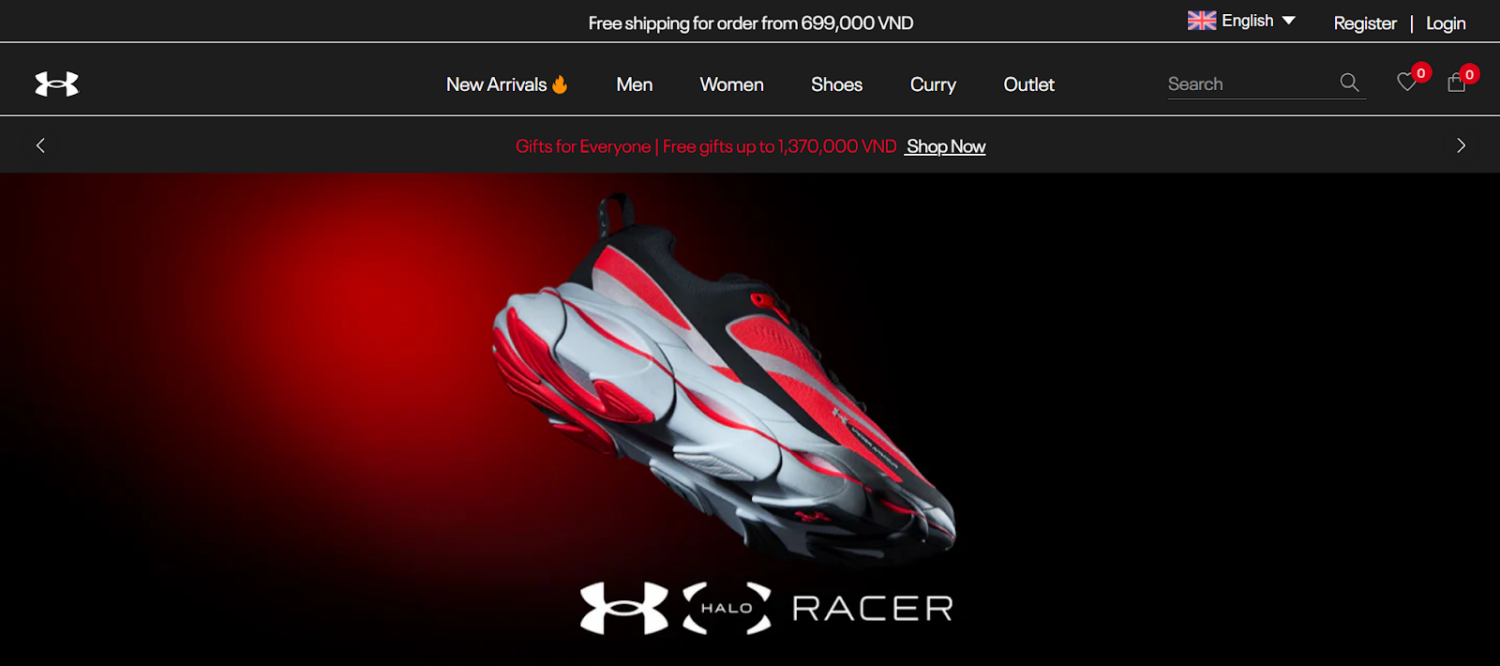
“Speed is foundational to a new user’s first impression, regardless of what page they land on,” explains Mr Max. “A powerful example of this is our work with Under Armour, with 2 core technical principles we used that are perfectly applicable to promotional campaigns”.
Optimise the critical rendering path, ensuring the main promotional banner loads instantly, even if the rest of the page is still catching up.
Use advanced asset compression for all images and code to keep the page lightweight and fast.
This helped the Under Armour website achieve exceptional PageSpeed Insights scores:
Performance: 92
Accessibility: 96
Best Practices: 96
SEO: 100
Your Action Checklist:
Compress images: This is your highest-impact fix. Aim for all promotional images to be under 200KB.
Optimise image file names and alt text: Something like “fall-fashion-sale-30-per-cent-off-storename.jpg” with descriptive alt text.
Prioritise mobile: With over 56% of people who research on mobile devices making up their minds quickly (Think with Google), they have zero patience for a slow-loading offer.
Implement lazy loading: Load images only as the user scrolls. This makes the initial page view load much faster.
From Strategy to Success: Integrate SEO into Your Promotions
Implement these seven rules, and you’ll quickly discover: promotional SEO can’t be an afterthought applied after campaigns launch.
Turning offers into customer acquisition tools requires your promotional mechanics and SEO infrastructure to work as one integrated system from the start.
The solution is to make SEO a required step in your campaign planning.
You configure the page speed, structured data, and mobile optimisation before the campaign goes live, ensuring you’re ready to capture new customers from the first minute.
Conclusion
The difference between a good promotion and a great one? Discoverability. We’re grateful to Mr Hoang Hai Ta for providing the seven-rule playbook to achieve it.
As one of BOGOS’s trusted Shopify partners, Tapita understands that when sales offers are structured for search behaviour, optimised for speed, and accessible across traditional and AI search channels, you transform promotions from conversion tools into customer acquisition engines that pull high-intent shoppers away from competitors.
The result: your best deals become your most effective ads, turning your promotions into a predictable engine for customer acquisition.